
Exploring the Ramakrishna Mission Ashrama Campus
The Sargachi Ashrama is a sprawling, peaceful campus where spiritual reflection, living history, and active community development exist side by side. The complex is divided into distinct operational zones, each reflecting a core pillar of our mission:
Spiritual & Historic Landmarks
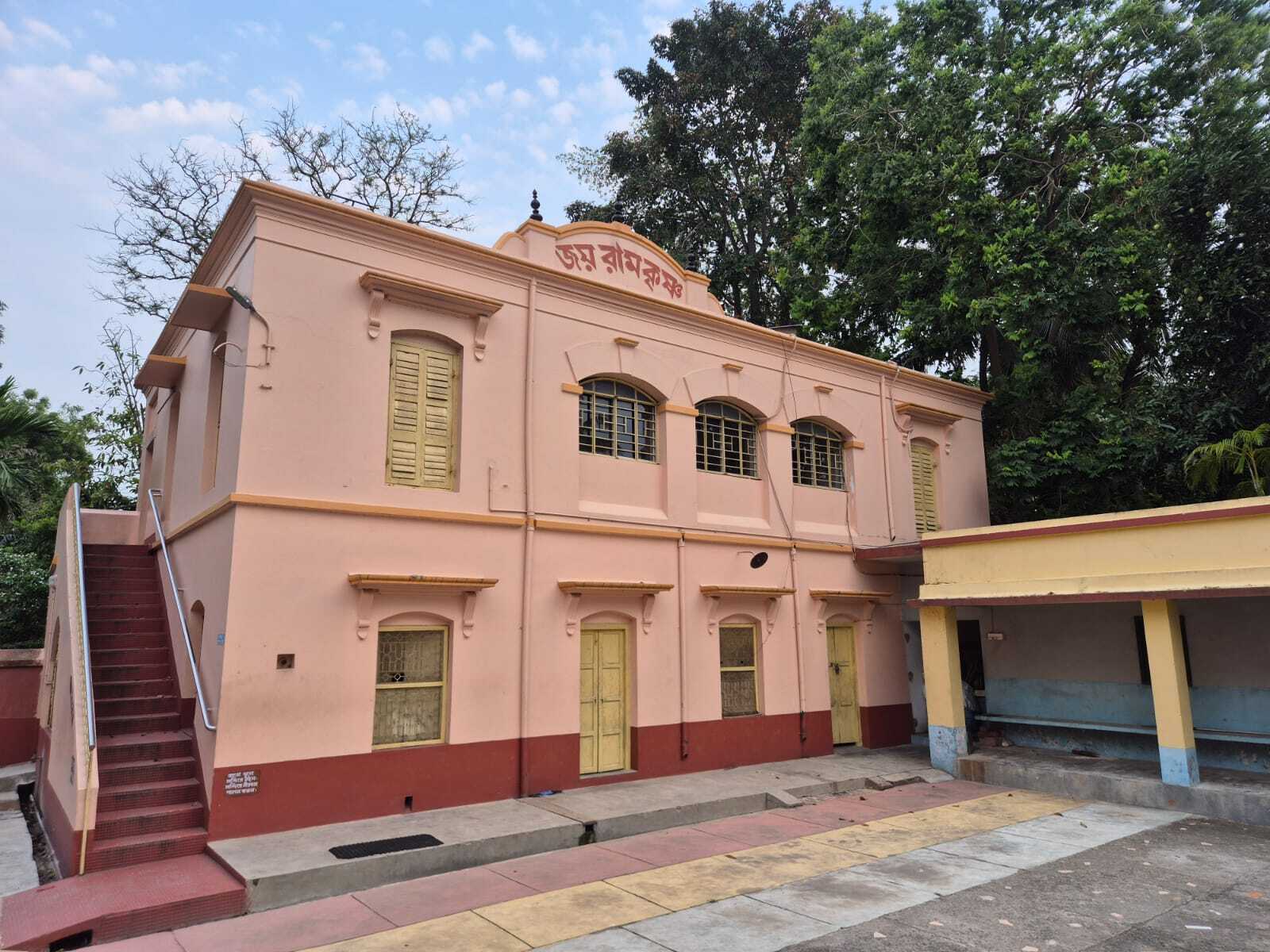
Sri Ramakrishna Temple
The majestic universal prayer hall and the spiritual epicenter of the entire complex. It serves as a sanctuary for daily prayers, congregational singing, meditation, and the peaceful evening Arati, welcoming people of all faiths.
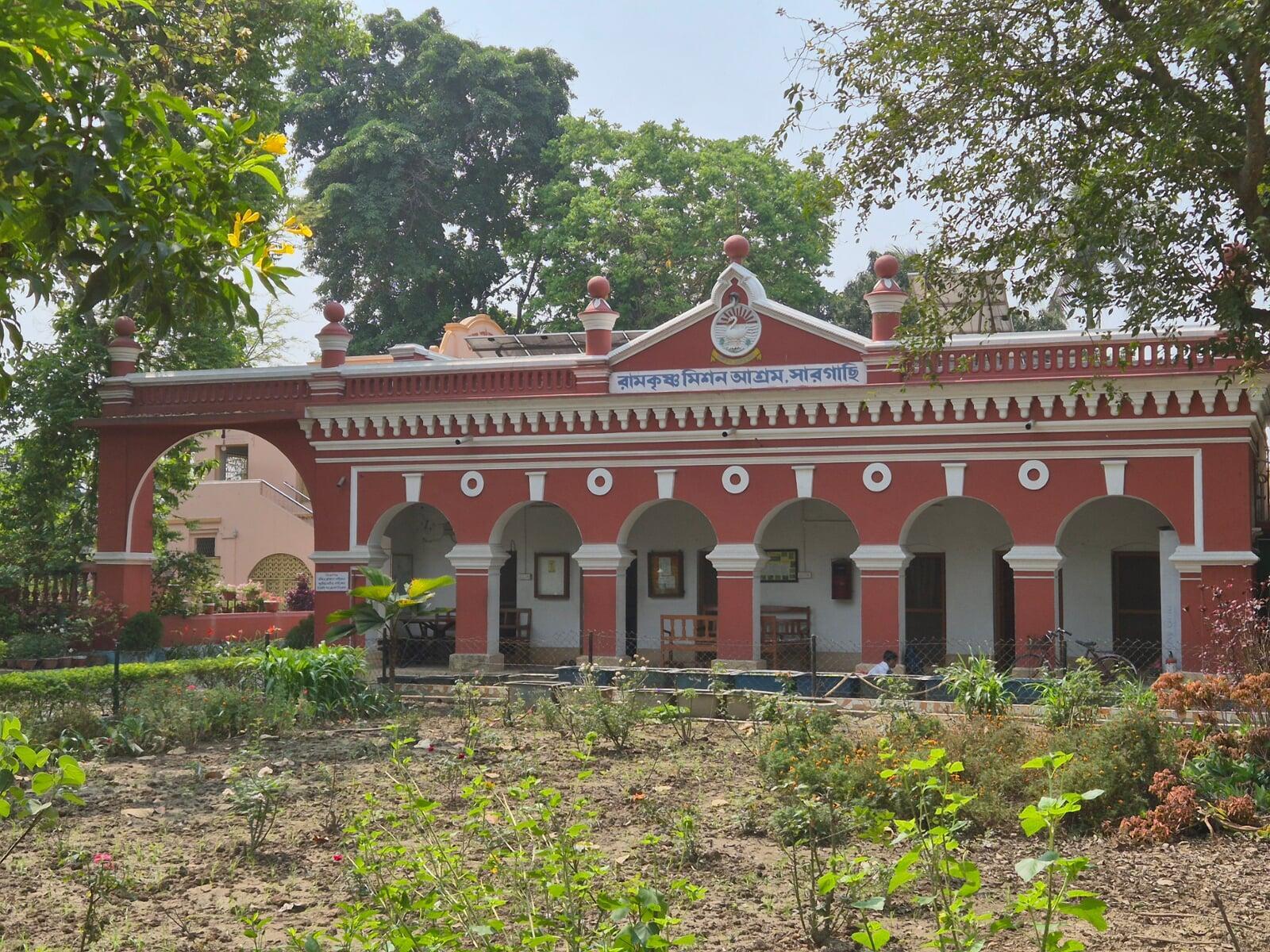
Main Office Building
The administrative and spiritual heart of the Ashrama. This historic building houses the sacred room where Swami Akhandananda lived for three decades. Today, this holy space is preserved as a serene Meditation Room for devotees.
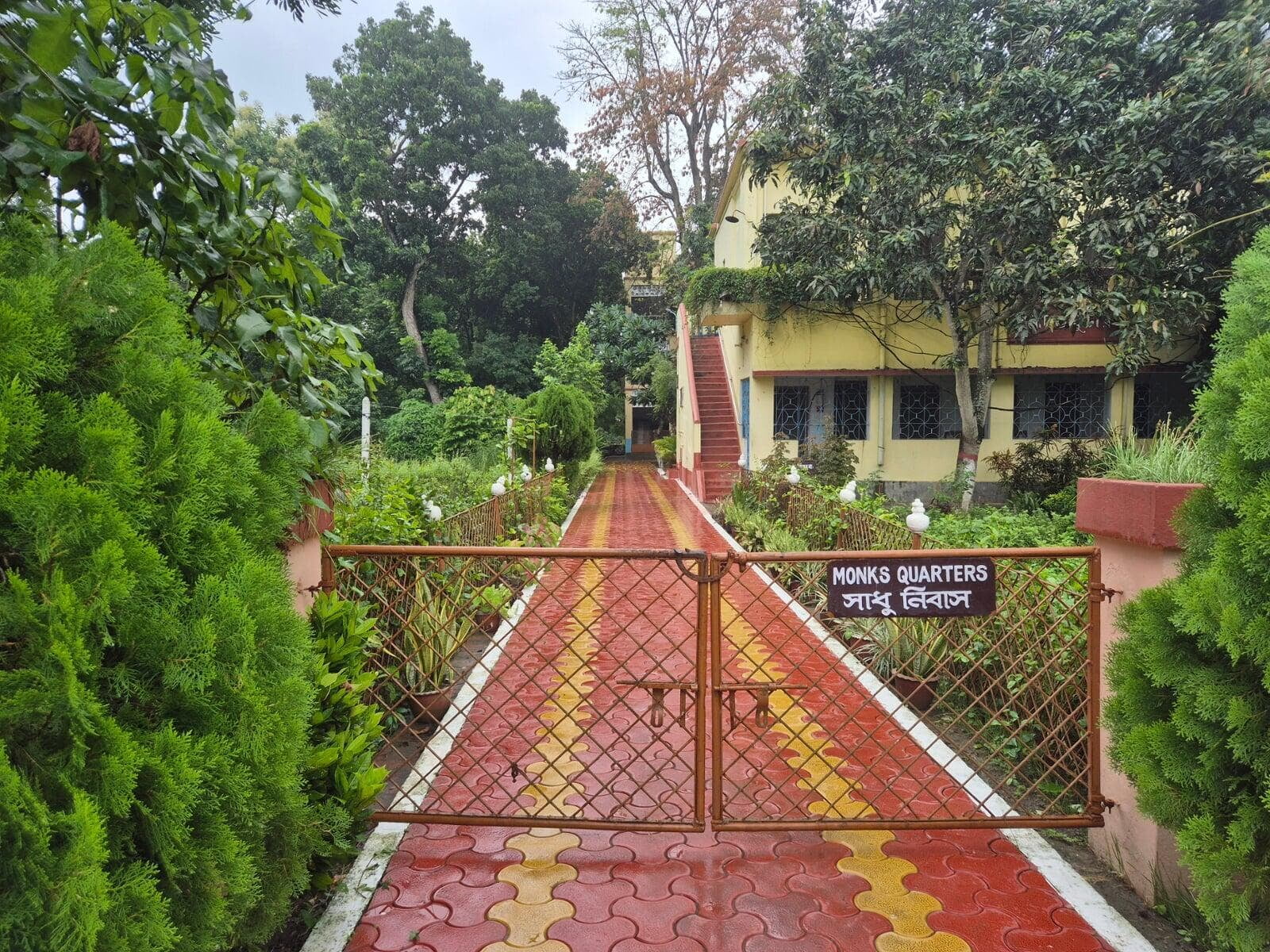
Binod Kutir
A deeply revered structure where Swami Akhandananda spent the final three years of his earthly life. It currently serves as the residence of the Secretary Maharaj, with the tranquil Monks' Quarters situated just behind it.
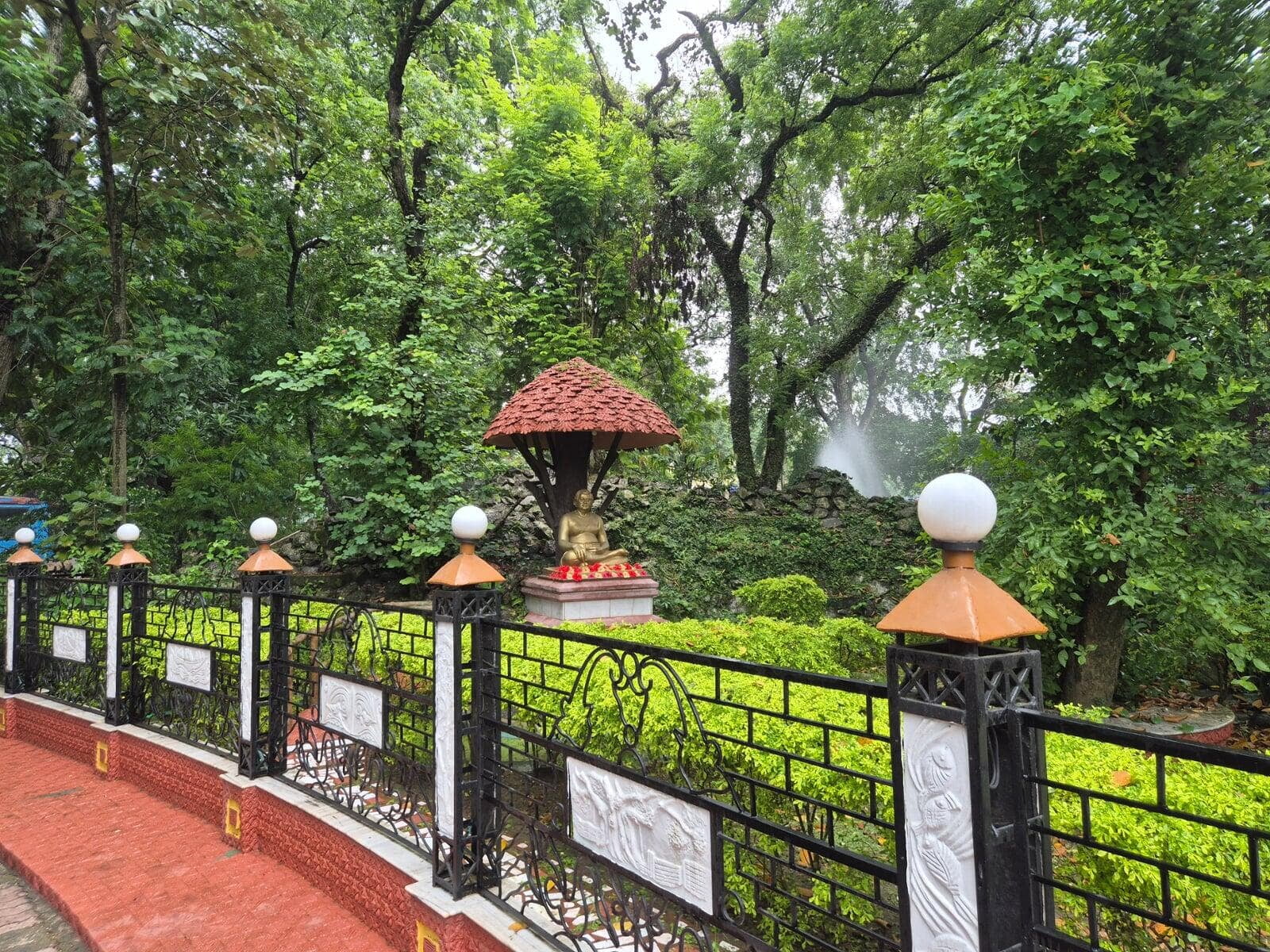
Botanical Garden
A serene, green oasis within the campus that combines rich plant life with a peaceful sanctuary for birds. At the heart of the garden sits a beautiful bronze statue of Swami Akhandananda in meditation.
Forest & Ecological Zones
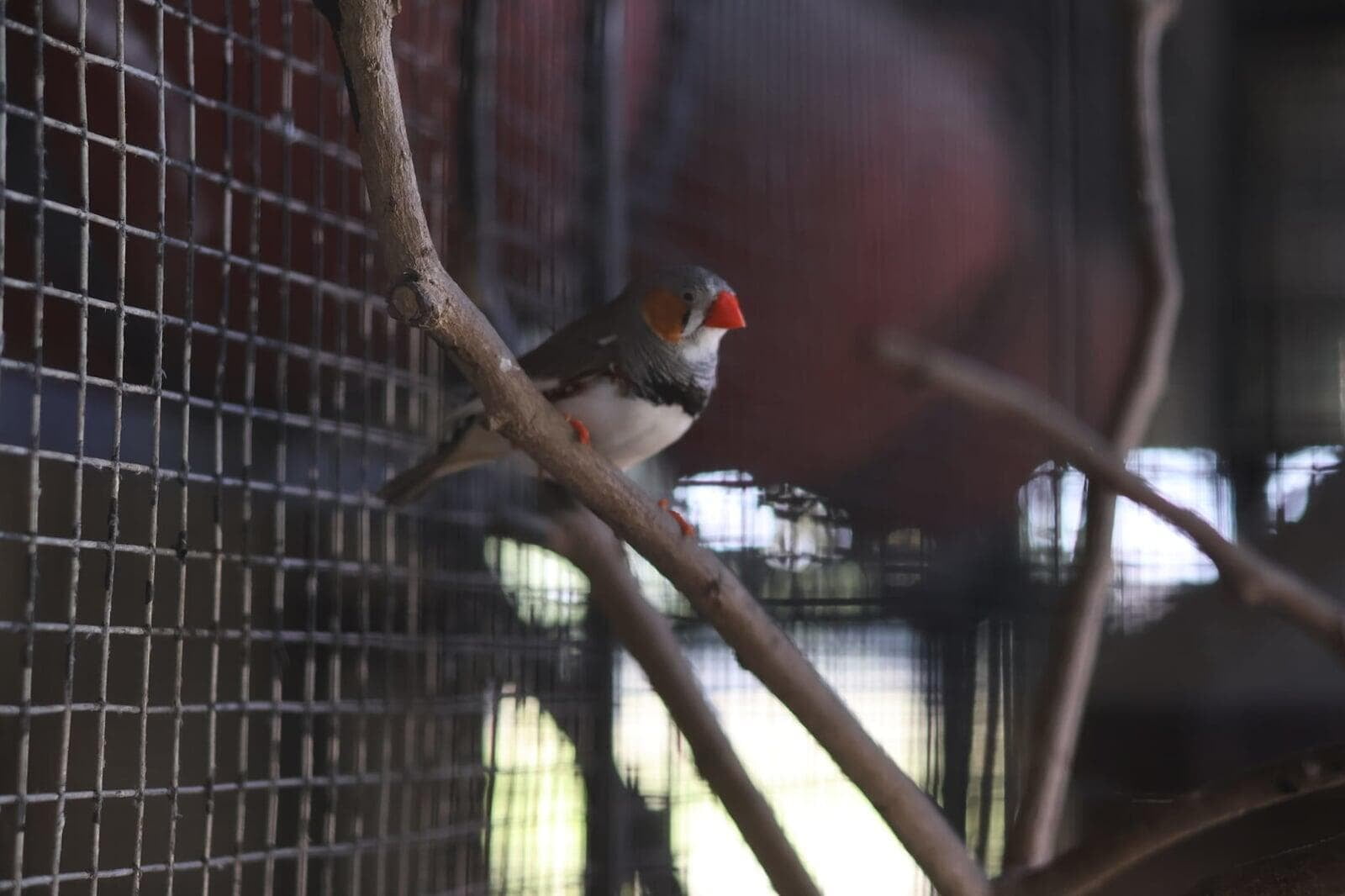
Aviary
You can edit text on your website by double clicking on a text box on your website. Alternatively, when you select a text box a settings menu will appear. your website by double clicking on a text box on your website. Alternatively, when you select a text box.
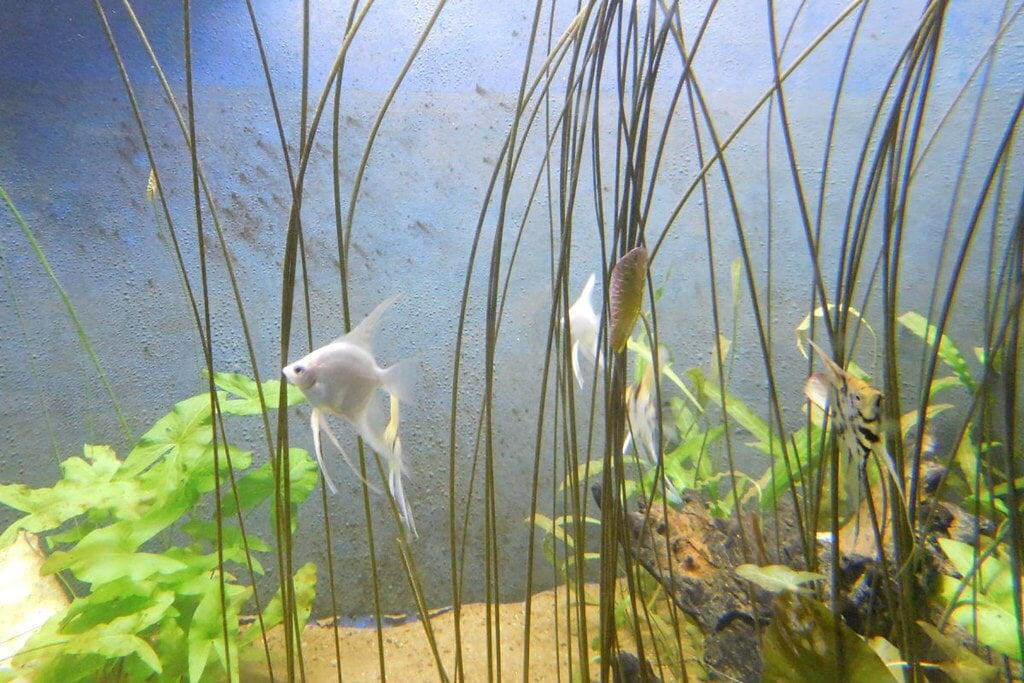
Aquarium
The Ashrama maintains an ornamental fish breeding unit through the Krishi Vikas Kendra . Training is imparted to interested persons with collaboration of Fishery Research Institute, Govt. of West Bengal and Govt. of India.
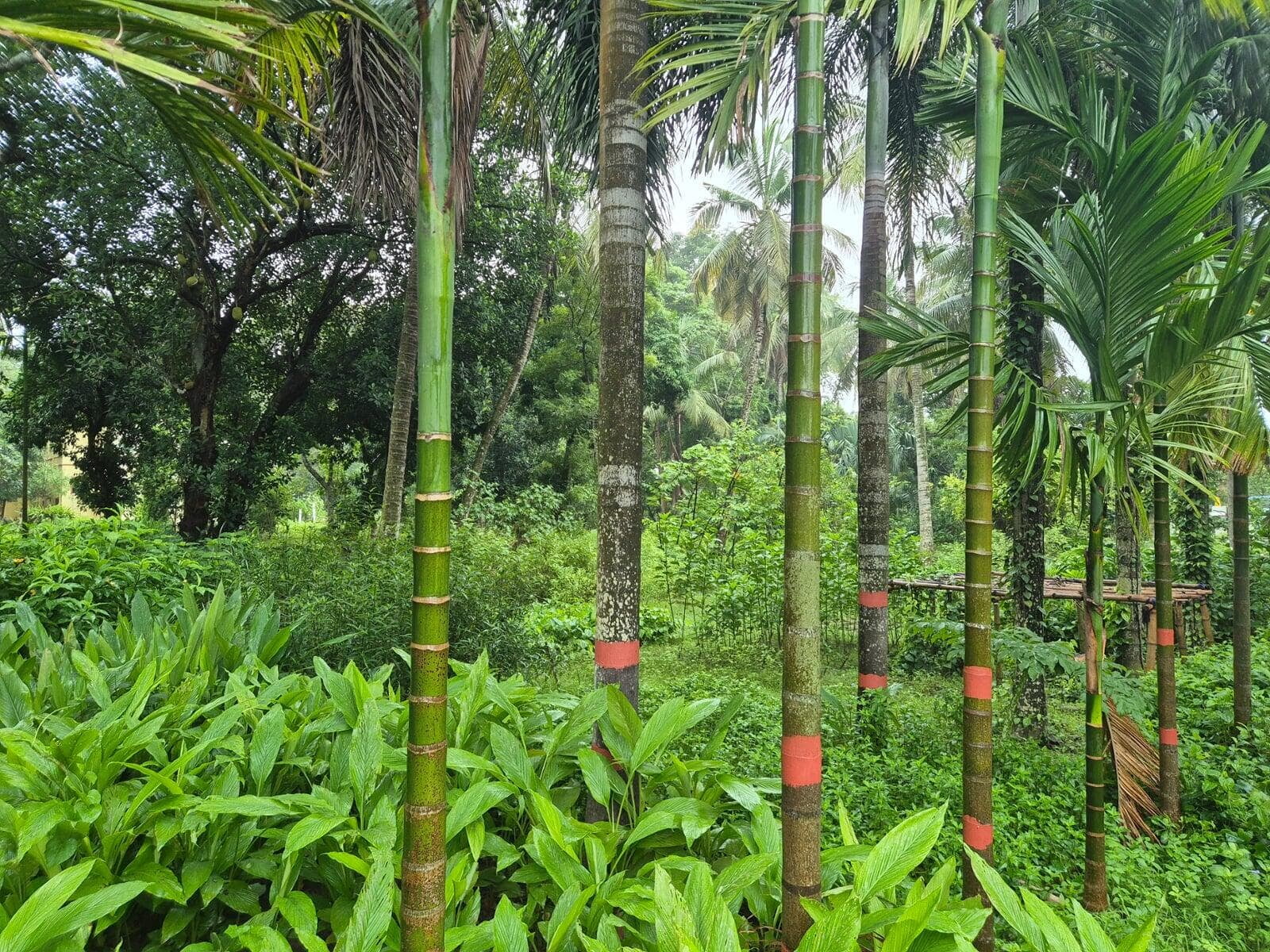
Herbal Garden
More than 100 species of medicinal plants are maintained in this garden, each in a separate plat and these are properly labeled giving necessary information regarding their identity and usage.
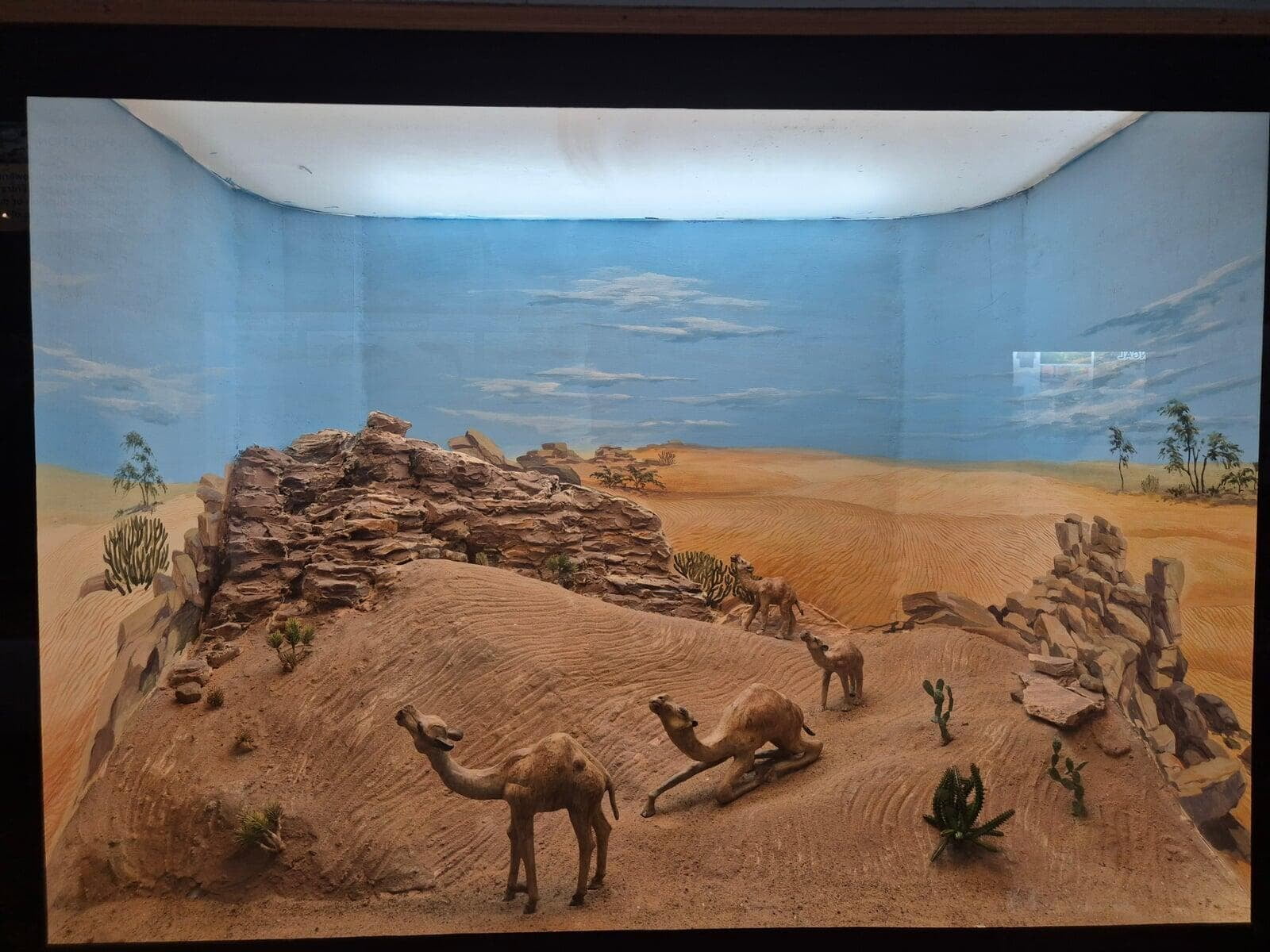
Museum
You can edit text on your website by double clicking on a text box on your website. Alternatively, when you select a text box a settings menu will appear. your website by double clicking on a text box on your website. Alternatively, when you select a text box.
Educational & Training Hub
Our campus is a premier center for formal, technical, scientific, and agricultural learning, fulfilling Swami Akhandananda's vision of uplifting rural youth.
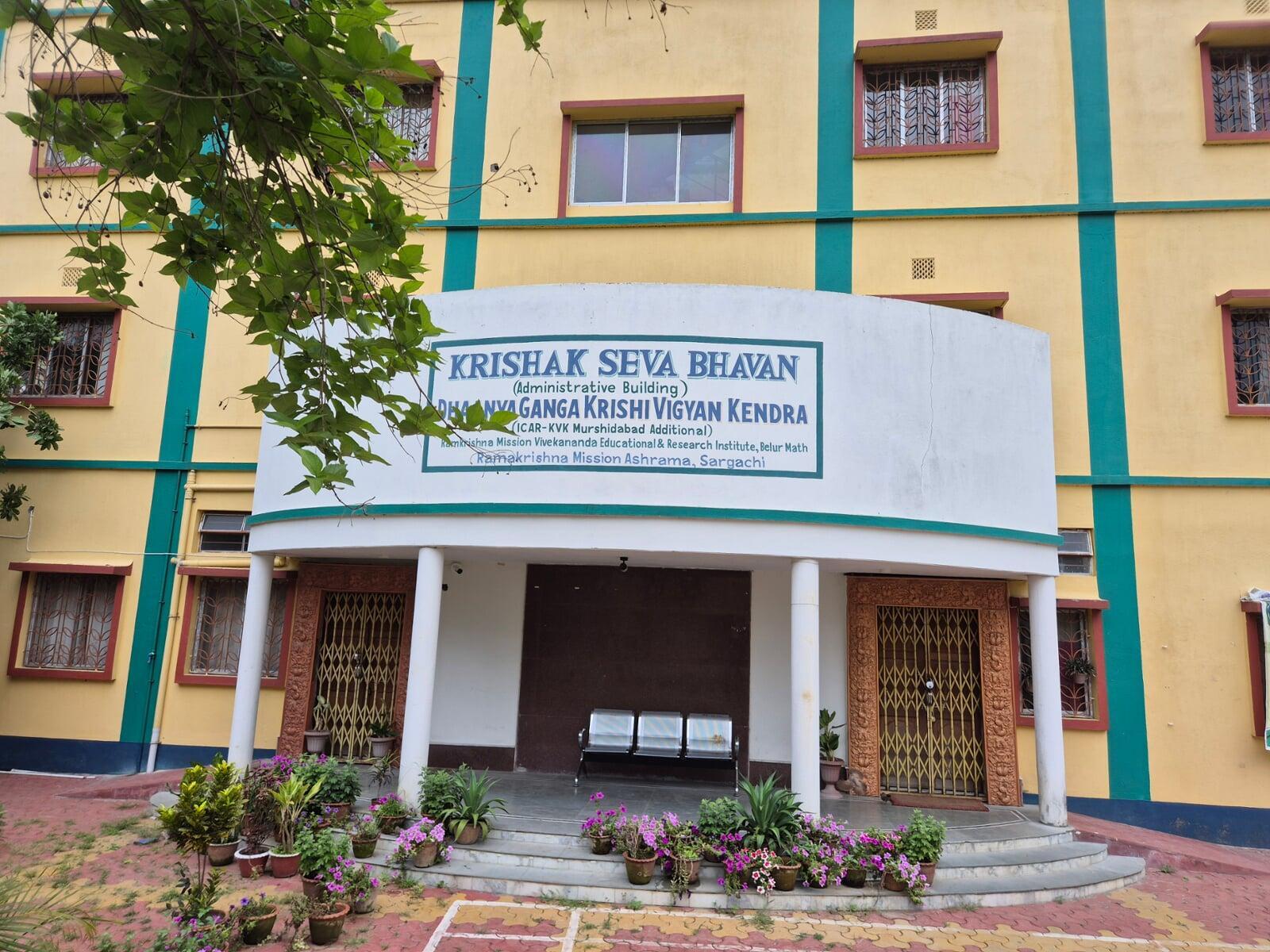
DhaanyaGanga Krishi Vikas Kendra
A specialized center dedicated to agricultural extension, research, and farmers' training, empowering the rural community with modern, sustainable farming techniques.
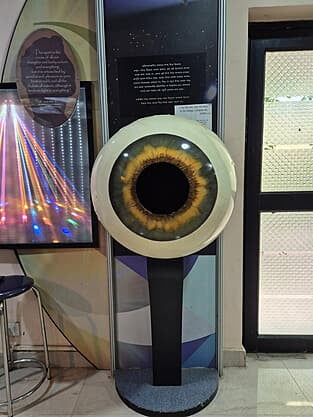
Swami Akhandananda Science Center
Modern educational facilities designed to foster scientific curiosity, offering interactive learning experiences for students and visitors alike.
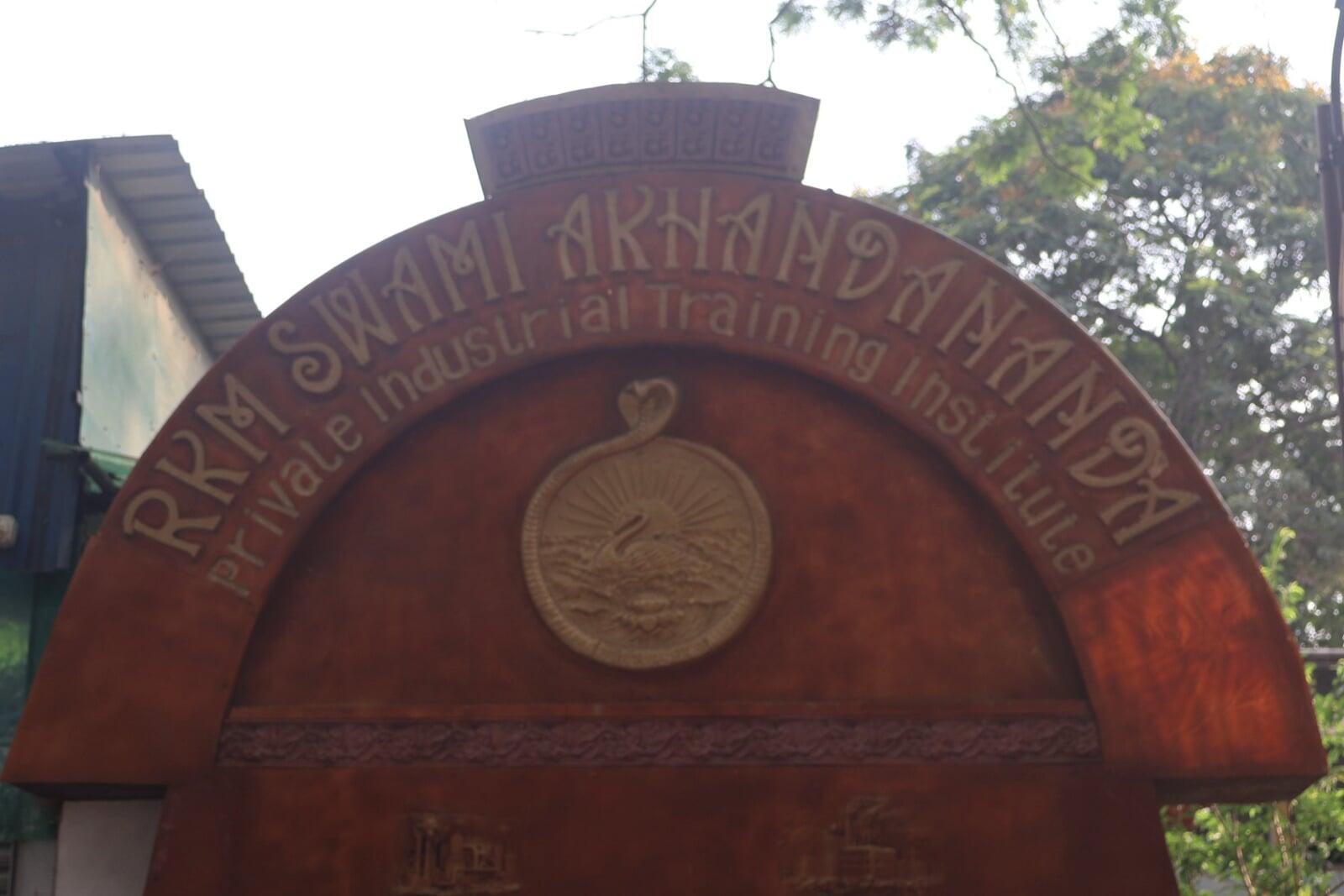
RKMSAPITI
Our Industrial Training Institute, providing vocational training and technical skill development to empower local youth for self-reliance and employment.
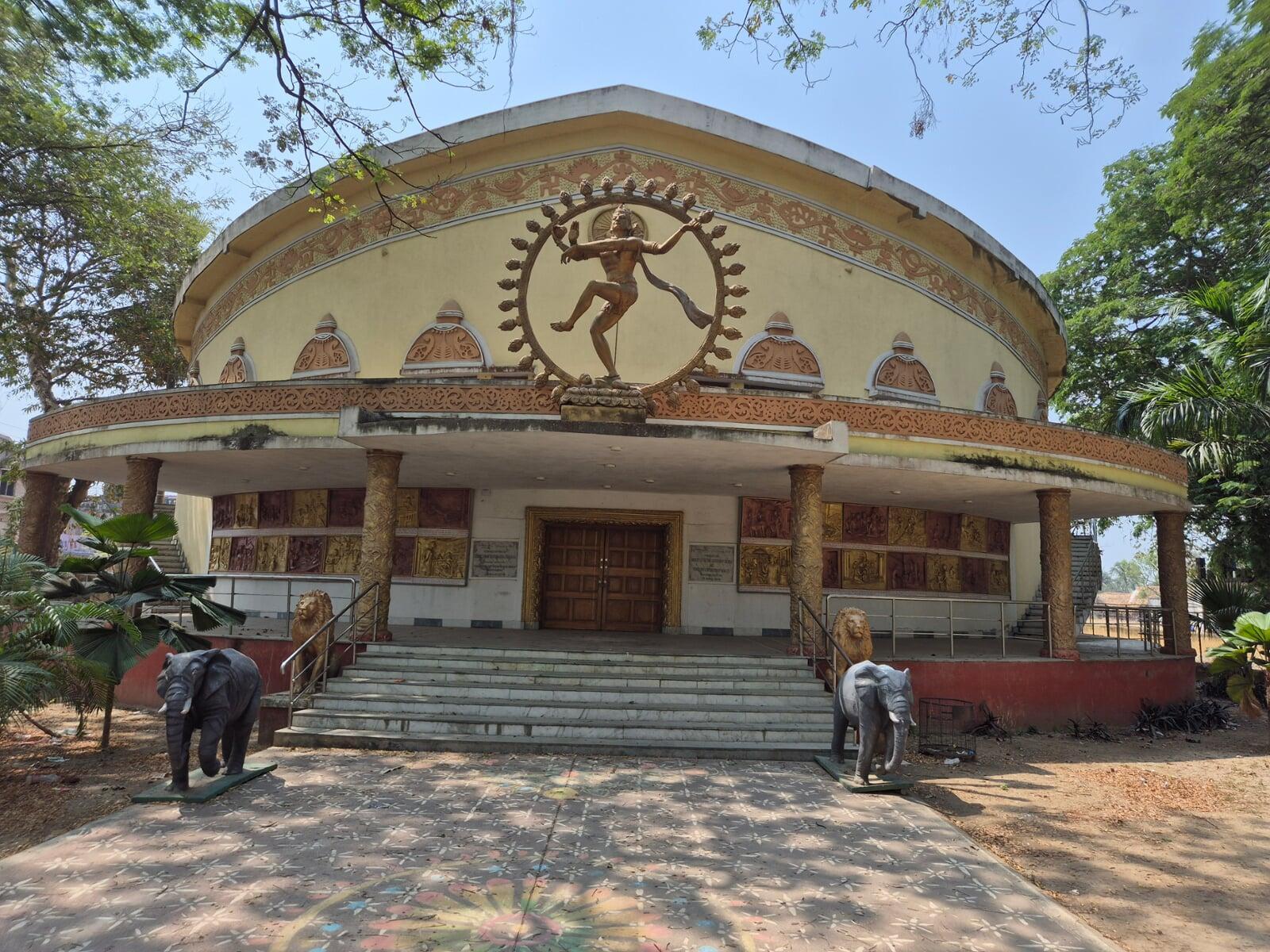
Auditorium
A state-of-the-art venue used for educational seminars, cultural programs, and community gatherings. It seats more than 700 people.
Vocational, Agricultural & Rural Livelihood Units
We focus heavily on economic self-reliance by training and organizing local workers, while simultaneously managing sustainable agricultural resources.
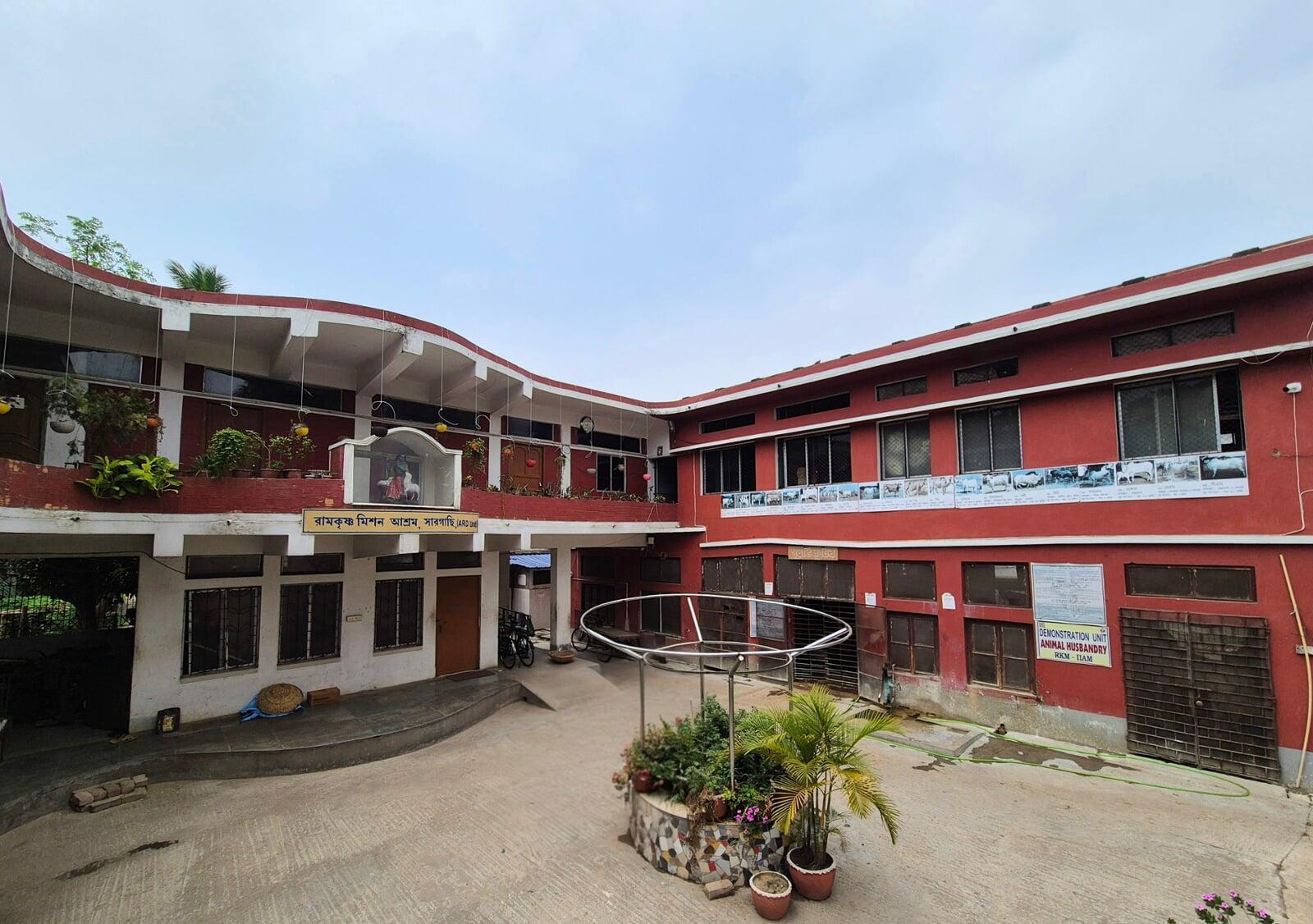
Animal Resource Development Unit
A well-maintained animal husbandry unit provide training programs regarding poultry, duck, goat, sheep & cattle including their breeding programs. As part of off-campus activities, training in improving poultry and cattle are provided to villages with particular focus on SC/ST dominated areas so that they can find alternative means of income.
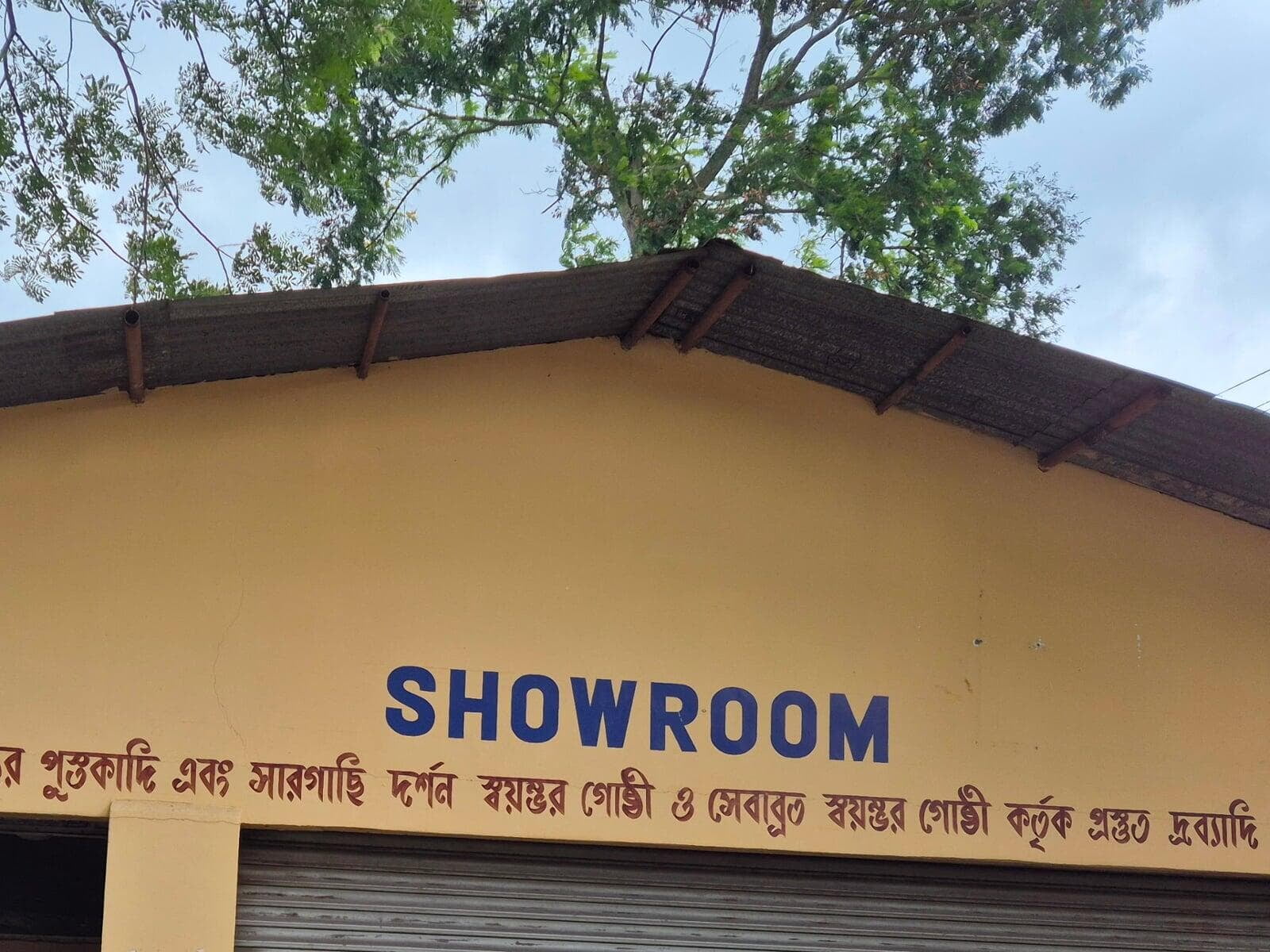
Ashrama Showroom
An on-site retail outlet showcasing Ramakrishna Vivekananda literature and selling high-quality items produced by our rural artisans, directly supporting their livelihoods.
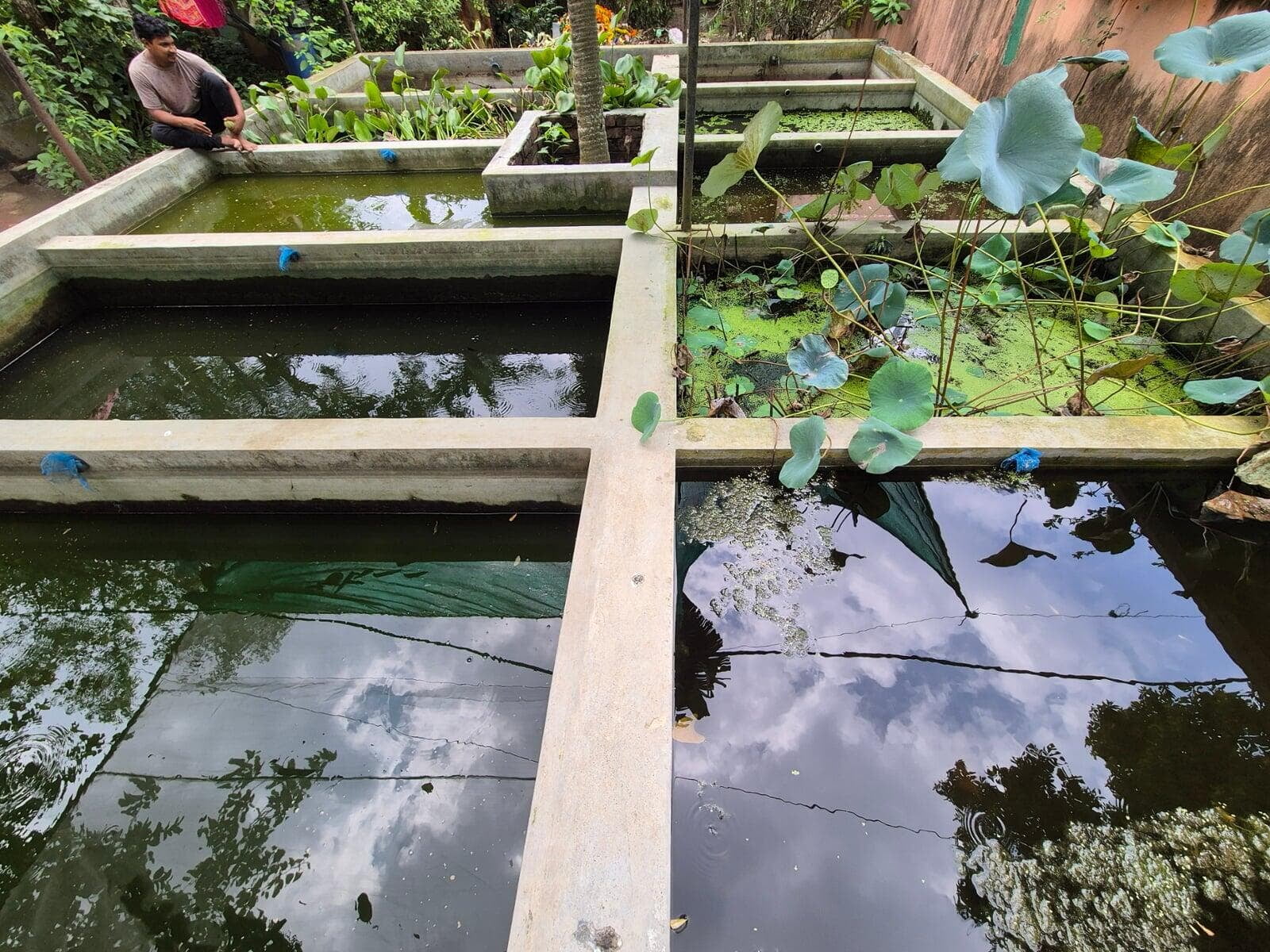
Fishery
Sustainable water bodies managed by the Ashrama that support local biodiversity and contribute to the campus's agricultural ecosystem. Two ponds have been dug for inland fishery demonstration.